
Modularization can also be used as a research cabin! Customized mobile material laboratory cabin for architecture university, bringing outdoor aging laboratory directly out
The quality of building decoration materials cannot be solely determined by the data obtained under ideal laboratory conditions. In a real natural environment, with continuous changes in lighting, temperature, and humidity, materials will gradually fade, deform, and experience performance degradation. Traditional fixed laboratories are difficult to reproduce the true outdoor lighting angle, and large outdoor test benches take up a large area and cannot be moved. Recently, we have customized a mobile experimental cabin for the Architecture University to conduct environmental performance testing on various decorative materials.
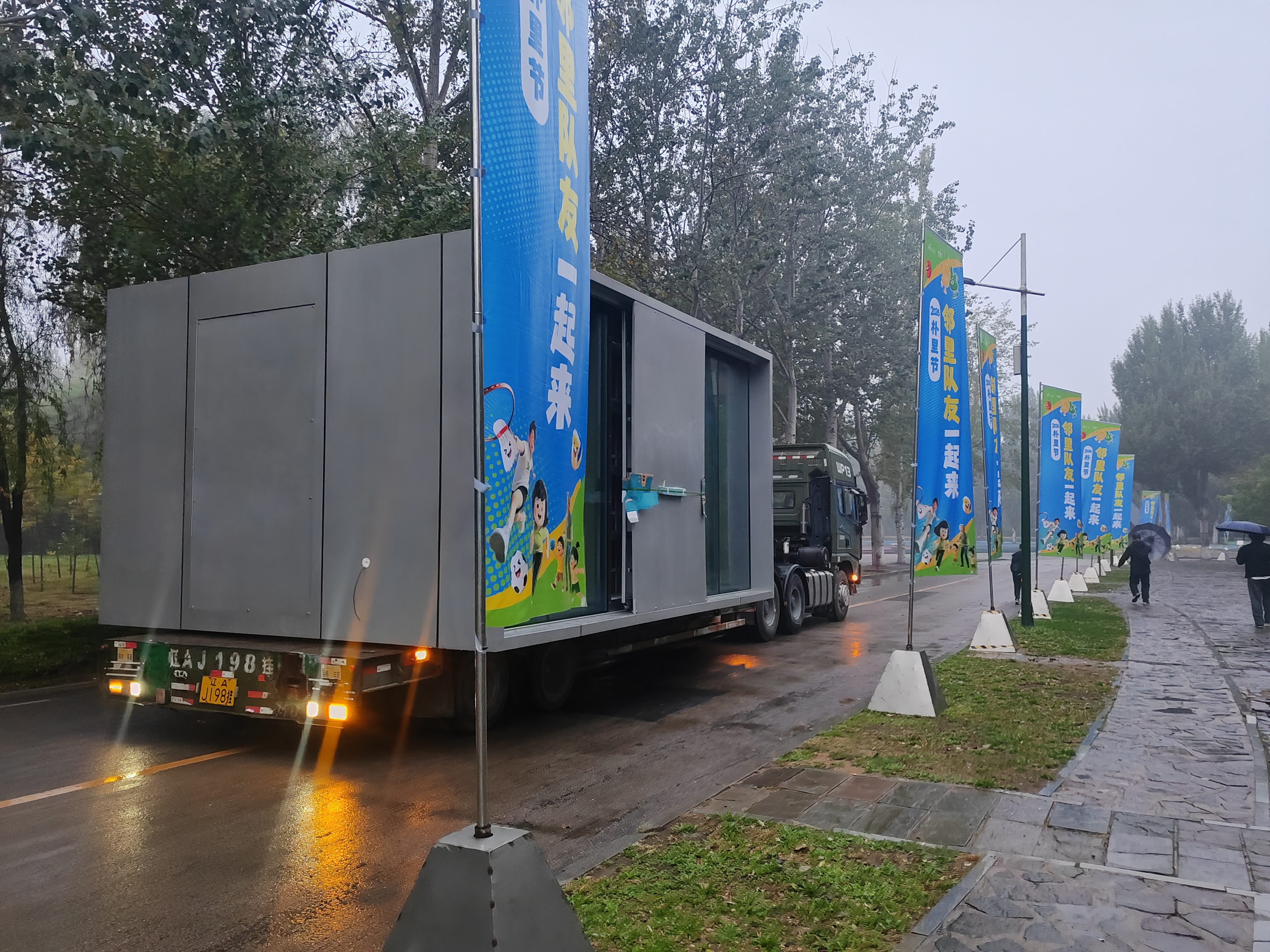
This is not an ordinary container, it is a modular research space that integrates acoustics, intelligent acquisition, and rotating platforms.
The cabin is equipped with a complete set of intelligent monitoring systems, which can collect multi-dimensional environmental data such as indoor temperature and humidity in real time, and the data throughout the experiment can be traced. When conducting material testing, acoustic interference can also affect the detection, so acoustic special design is carried out in the scheme design stage. Professional sound-absorbing panels are installed on the interior walls, and aluminum buckle plates with sound-absorbing holes are used on the roof. A non-woven sound-absorbing layer is added inside to effectively absorb sound waves, eliminate echoes in enclosed spaces, and ensure a stable experimental environment.
The sample layout also fully considers scientific research needs: all indoor partitions are detachable and replaceable, making it convenient to place different wall panel samples; The front of the cabin is equipped with two sets of experimental racks that can be pushed in and out, allowing for flexible sample loading and adaptation to multiple batches of comparative tests. The most outstanding feature is the automatic rotating chassis at the bottom of the cabin. The entire experimental cabin can rotate at a constant speed, simulating natural light at different times and durations, achieving light aging tests on building decoration materials, and reproducing the real sun exposure process. Reserve intelligent wiring points on the roof, and install solar power supply in the later stage to achieve off grid operation.
Unlike standard products, the research laboratory module is a highly customized project, and each function must be designed according to the experimental needs of the university, requiring high collaboration among multiple disciplines such as research and development, structure, mechatronics, and acoustics. From scheme demonstration, acoustic simulation, structural verification, to bottom drive design and intelligent monitoring system integration, all are implemented by the design and development team.
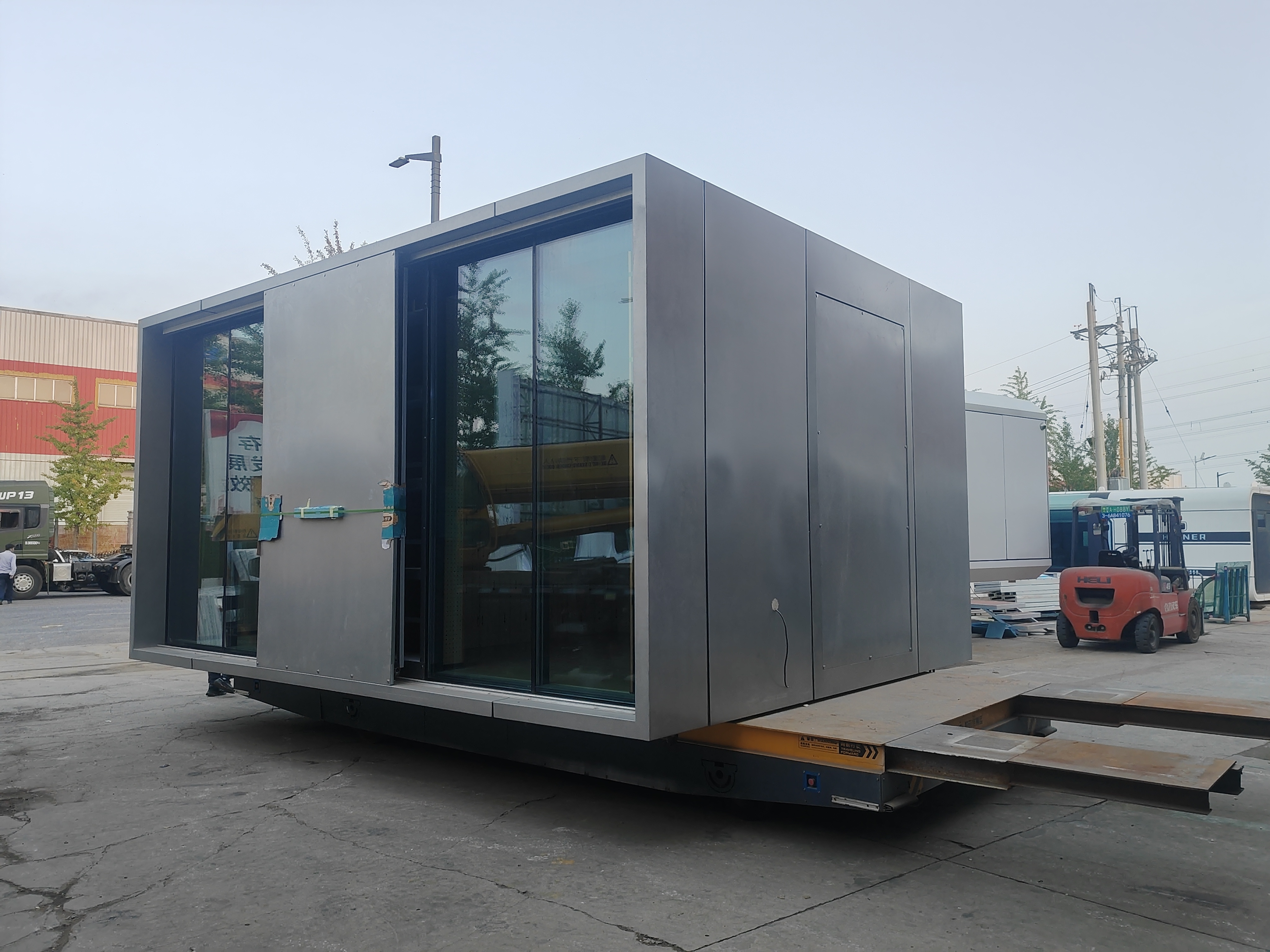
Modular architecture is no longer limited to homestays, campsites, and spacecraft. Mobile laboratories and research laboratories are a promising track for prefabricated buildings. Factory prefabrication, overall transportation, fast landing, no need for large-scale construction, can be used by universities, research institutes, and building materials enterprises.
The project is progressing, follow me and I will show you the completed physical product in a few days.
徐茹要求
Consultation Type
WhatsApp*
email*
Country/City*
Order Quantity*
Project Type
company name
title


简单版
邮箱验证*
*


